
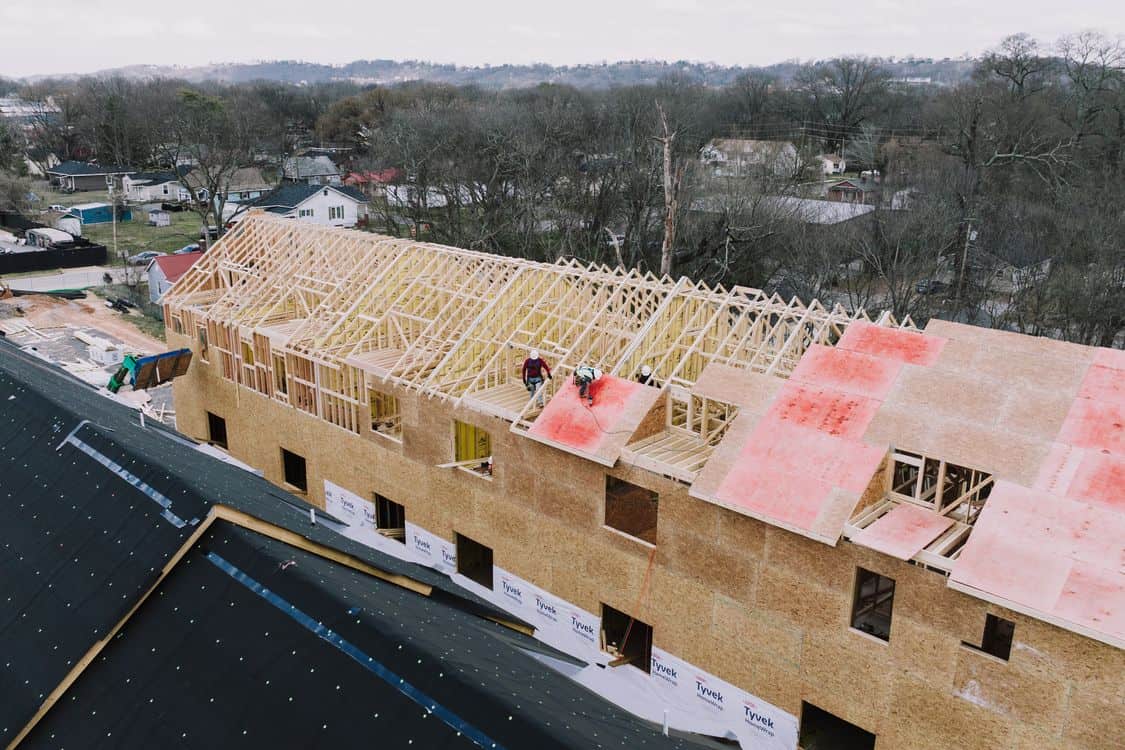
Williamson County’s pandemic-era building surge added tens of thousands of rooflines that will need maintenance for decades. Permit activity has cooled from its peak, but the housing stock created during that period remains.
The important distinction is timing: homes built in the early 2020s are generally far too new to be entering a normal 15-to-25-year replacement window in 2026. Their near-term roofing demand is more likely to come from inspections, warranty work, storm damage, or isolated repairs.
Older subdivisions provide the current age-driven replacement demand, while the newer building boom adds a large future maintenance base.
The Permit Boom Cooled, But the Rooflines It Built Didn’t Disappear
Federal Reserve economic data tracked through the U.S. Census Bureau shows how sharp the swing was. Williamson County authorized 15,036 new private housing units in 2021, the peak of the pandemic-era building surge.
By 2024 that figure had fallen to 7,529 units, and 2025 data shows a further drop to 4,956, a roughly 34 percent year-over-year decline. On the surface, that reads like a cooldown that should ease pressure on local trades.
Homes built between 2019 and 2023 are mostly still early in their roof life. They are not a replacement wave yet. What the permit boom did was add a large block of relatively new roofs that will move through maintenance and replacement cycles together years from now, while older Williamson County neighborhoods generate today’s age-related reroofing work.
The Federal Reserve Bank of St. Louis’s public data series on Williamson County permitting shows the county still issuing thousands of new residential permits annually even after the pullback. New-construction roofing demand and aging-roof maintenance demand are stacking on top of each other now instead of trading places, a pattern documented in the underlying building permit data for Williamson County, which tracks construction activity back decades.
The county’s own growth planning materials describe Williamson County as one of the fastest-growing counties in the country for most of the past fifteen years, a status it held even as permitting swung up and down with interest rates and construction costs. Population growth doesn’t pause just because permit issuance cools for a year or two.
That’s easy to miss if the only number anyone looks at is annual permit counts. A county can issue fewer permits than it did during a refinance-fueled peak and still add residents, traffic, and aging housing stock faster than most of the country.
A Large Housing Base Still Requires Skilled Labor
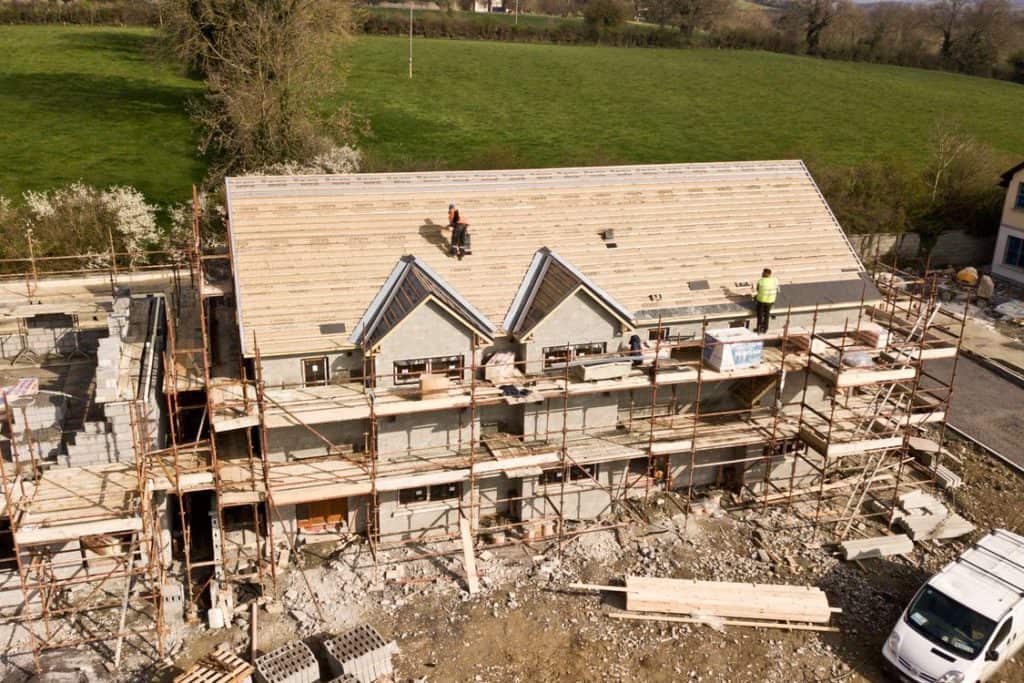
National construction labor data shows that skilled-worker availability remains a constraint across many trades. Williamson County’s permit data does not by itself prove a local roofing-crew shortage, so the two trends should be kept separate.
Roofing crews sit inside that shortage. They also face something specific to the trade: the work is physically demanding, seasonal, and staffed increasingly by workers aging out faster than apprenticeship pipelines can replace them.
For a Round Rock homeowner, scheduling pressure is most likely to be felt after a widespread hail or wind event, when many properties need inspections and repairs at once.
A larger housing base creates more total roof area for the regional trade to inspect, maintain, repair, and eventually replace. That long-term workload is the meaningful implication of the permit data. For people comparing roofing companies in Round Rock across the metro, Williamson County’s growth helps explain why regional service areas now extend far beyond the city limits.
Apprenticeship and trade school enrollment has ticked up as construction executives flag the shortage publicly, but training a roofing crew leader takes years, not months. That lag means the labor pipeline responding to today’s shortage won’t fully show up on job sites until well after the current backlog has already built.
What the Permit Data Means for Homeowners
In the short term, newer homes add inspection and storm-repair demand rather than normal age-related replacement demand.
In the long term, the construction surge matters because thousands of roofs installed within a similar period will age on roughly the same calendar.
Quality control is the harder risk to see. A tight labor market sometimes pulls less experienced crews or out-of-area contractors into a region to fill gaps, which can mean inconsistent workmanship on jobs that used to go to established local companies with reputations to protect.
Williamson County’s growth makes its future roofing workload easy to understand even without claiming a current labor ratio the permit dataset does not measure.
The county’s growth story isn’t over, even with permit numbers off their 2021 peak. What’s changed is which part of the housing lifecycle drives demand for roofing work: fewer brand-new roofs going up, more existing roofs reaching the point where they need real attention.
That expanding base is the real roofing implication of the permit data: more roofs exist now, and every one of them will eventually need maintenance, storm repair, and replacement.
