

Australia now has more than 5,000 food trucks registered nationally, and the sector kept expanding even through the disruption of the pandemic years. Almost two-thirds of the population eats out at least once a month, and food trucks have carved out a durable slice of that habit by keeping meals simple, fast, and mostly under $10.
That volume of vendors changes the packaging conversation in ways sit-down restaurants rarely face. A truck serving a festival crowd of several thousand people over a weekend goes through wrap paper, trays and bags at a rate a fixed venue with a dishwasher never will.
Why high-volume vendors can’t treat wrap paper as an afterthought
Lower startup costs than a bricks-and-mortar restaurant are part of what pulled more entrepreneurs into the food truck market in the first place. But low overheads on rent don’t help if a vendor is burning through generic wrap that tears, leaks, or fails to hold a burger together on a plastic-free picnic table.
Operators running a fleet of trucks, or a single van doing back-to-back markets, need packaging that survives handling by staff working fast under pressure. Businesses turning to Star Stuff Group greaseproof wrap for their menus want a wrap that holds up under that kind of repetitive handling without splitting or letting oil through onto customers’ hands.
A vendor who loses even a small percentage of orders to torn or leaking wrap over a busy festival weekend feels that loss immediately, since there’s no back kitchen to quietly remake the item. Reliability at that scale isn’t a nice-to-have. It’s part of the operating budget.
The branding upside of a crowded market
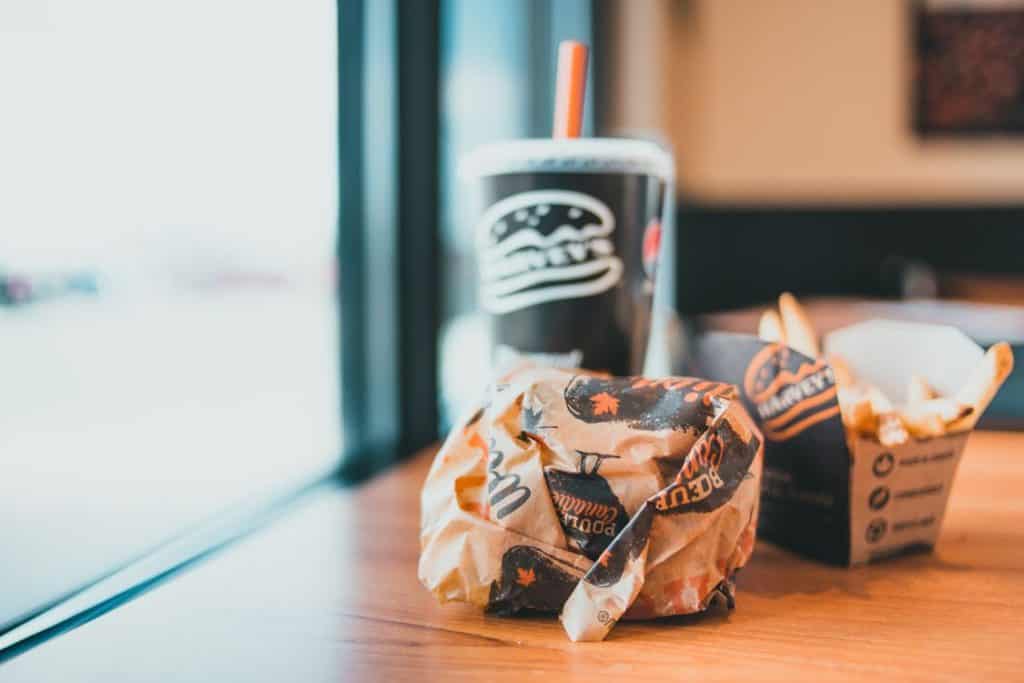
With thousands of trucks competing for the same festival and lunchtime foot traffic, a wrap or bag with a distinct logo is one of the few low-cost ways a vendor stands out from the truck parked next to it. Plain paper holds the food; printed paper gets remembered by a customer three stalls down.
Food truck manufacturers have reported a sizeable increase in sales in recent years, a sign the vehicle side of the industry is scaling to meet demand. Packaging suppliers serving that same customer base are seeing parallel growth in order volume as new operators set up.
What the growth curve means for packaging suppliers
An industry expanding this fast puts pressure on suppliers to keep short print runs affordable, since a single-operator truck can’t commit to the volumes a chain restaurant would order. Suppliers who can turn around smaller custom batches without inflating the unit price are the ones picking up business from this wave of new vendors.
The mobile food sector’s trajectory looks set to keep climbing, and the packaging behind it will keep having to scale down in order size while scaling up in print quality, a balance that didn’t matter much when the industry was smaller and less competitive than it is today.
Council permits for markets and festivals are also getting stricter about what stallholders can hand customers, with several local governments now favouring vendors who can show their packaging is genuinely compostable or recyclable rather than just labelled that way. Operators who sort this out before applying for a permit avoid a rejected application over something as small as the wrapping paper they planned to use.
That extra layer of scrutiny is another reason the printed, food-safe wrap category has grown alongside the trucks themselves. It isn’t just a branding choice anymore. It’s increasingly a condition of getting a stall at the festival in the first place.
