
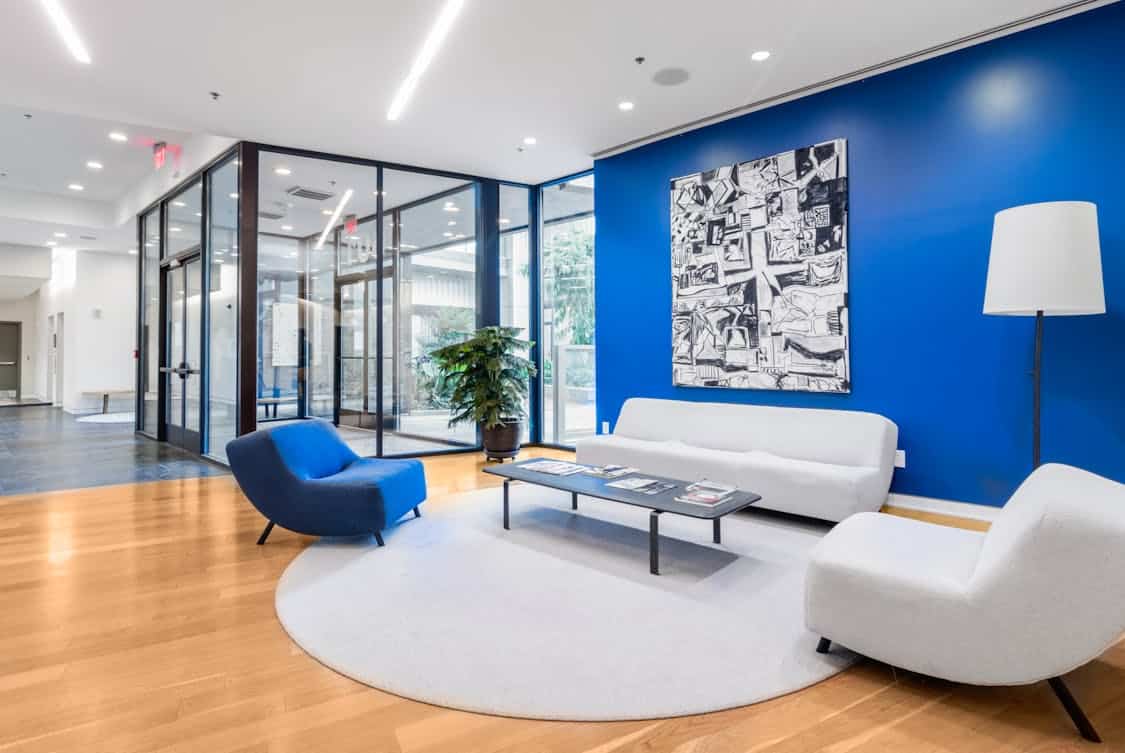
In the contemporary landscape of business, the significance of environmentally friendly office spaces cannot be overstated. A sustainable commercial office interior goes beyond aesthetics; it reflects a company’s ethos and commitment to the planet.
This guide explores various strategies and elements involved in creating sustainable office interiors.
The Importance of Sustainability in Office Design
Creating a sustainable office environment serves numerous purposes. It reduces environmental impact while enhancing employee wellness and productivity.
Companies that embrace sustainable practices often attract conscientious clients and employees, solidifying their brand’s image.
Sustainability in office interiors involves thoughtful choices in materials, energy consumption, waste management, and overall design. By prioritizing eco-friendly designs, businesses can significantly lower their carbon footprints, ultimately contributing to a healthier planet.
Choosing Eco-Friendly Materials
The materials used in office design play a pivotal role in sustainability efforts. Opting for responsibly sourced materials can minimize environmental degradation. Items like bamboo, reclaimed wood, and recycled metals are excellent choices that offer durability and aesthetic appeal.
Additionally, using low-VOC (volatile organic compounds) paints and finishes is crucial. These products contribute to better indoor air quality, creating a healthier work environment.
Considering the lifecycle of each material also counts; choosing products that can be recycled or reused helps reduce waste and promotes a circular economy.
For tailored, eco-conscious solutions, businesses often benefit from working with experienced miami fl commercial interiors general contractors who understand both sustainability and functionality.
Energy Efficiency in Lighting
Lighting can consume a significant portion of an office’s energy. Transitioning to LED lighting is a smart move; these bulbs use substantially less energy compared to traditional incandescent options.
Furthermore, incorporating natural light through large windows or skylights not only enhances the workspace but also boosts employee well-being.
Smart lighting controls can further optimize energy use. Systems that adjust based on occupancy or available daylight can lead to remarkable energy savings.
By investing in energy-efficient lighting solutions, businesses can reduce their carbon footprint while cutting costs.
Intelligent Space Planning
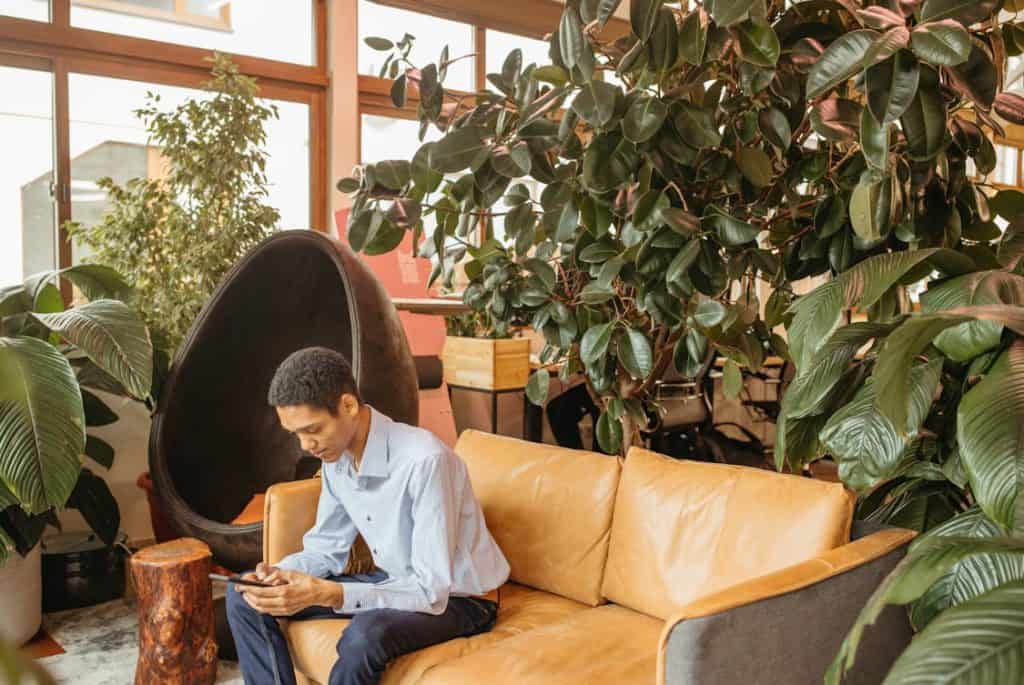
Efficient space planning is integral to sustainability. Open-concept designs can foster collaboration, but it’s essential to balance this with individual needs.
Dividing spaces with movable partitions allows for flexibility and adaptability, accommodating team dynamics without the need for extensive renovations.
Incorporating biophilic design principles—such as natural elements like plants and water features—can enhance the workspace significantly.
Studies show that integrating nature into office design can reduce stress and boost productivity. Plants not only improve aesthetics but also contribute to improved air quality.
Waste Management and Recycling
Implementing an effective waste management system is critical for a sustainable office. Providing easily accessible recycling stations encourages employees to dispose of waste responsibly.
Clear signage and regular reminders about recycling practices can further enhance participation.
Consider strategies like composting organic waste or collaborating with local organizations to donate unused furniture. These practices not only reduce landfill contributions but also promote a culture of sustainability within the workplace.
Technology and Sustainability
As technology advances, so do the opportunities for creating sustainable office spaces. Energy-efficient devices and smart office systems can significantly reduce energy consumption.
For instance, programmable thermostats can optimize heating and cooling based on occupancy patterns.
Moreover, adopting cloud-based solutions can minimize the need for physical documents, reducing paper waste. Encouraging a digital-first mindset among employees streamlines operations while bolstering eco-friendly practices.
Ergonomics and Employee Wellness
Sustainable interior design isn’t solely about environmental impact; it also encompasses employee health and comfort.
Ergonomically designed furniture can help reduce physical strain and promote productivity. Adjustable desks, supportive chairs, and collaborative workspaces contribute to a healthier work environment.
Incorporating wellness areas, such as quiet rooms or meditation spaces, can provide employees with much-needed respite. Prioritizing mental health is essential in fostering a supportive workplace culture, leading to higher job satisfaction and retention rates.
Water Conservation Strategies
Water conservation is another key element of sustainable office design. Installing low-flow fixtures in restrooms and kitchens can significantly reduce water waste.
Additionally, implementing rainwater harvesting systems can provide water for landscaping purposes.
Creating green roofs or living walls can help with temperature regulation and stormwater management. These features not only contribute to sustainability but also enhance the building’s aesthetic appeal.
Sustainability Certifications and Standards
To ensure that sustainability efforts are recognized, pursuing certifications can be beneficial. Programs such as LEED (Leadership in Energy and Environmental Design) provide frameworks for measuring sustainability in building design.
Achieving these certifications can enhance a company’s reputation, making it more attractive to clients and job seekers.
Certification processes often encourage continuous improvement, pushing businesses to stay ahead in sustainability practices. Whether it’s implementing energy-efficient systems or prioritizing eco-friendly materials, aiming for certification can align a company’s operations with its sustainability goals.
Employee Engagement and Education
Creating a sustainable office space isn’t solely the responsibility of management. Engaging employees in the process fosters a collective sense of responsibility toward sustainability.
Hosting workshops or training sessions about sustainable practices can enlighten team members on how their actions contribute to the overall goals.
Encouraging participation in sustainability initiatives—like community clean-up events or eco-friendly challenges—can enhance team bonding while reinforcing the company’s commitment to the environment. A culture of sustainability flourishes when everyone is on board.
The Evolution of Office Design
Sustainable office design is not a static endeavor; it evolves over time as new practices and technologies emerge. Keeping abreast of the latest trends and innovations is vital.
Participating in industry forums or following sustainability thought leaders can provide fresh ideas and insights.
Furthermore, regularly assessing the office space for sustainability enhancements can reveal opportunities for improvement. Whether through energy audits or material assessments, staying proactive ensures that the workspace remains aligned with sustainability objectives.
Local Sourcing and Community Impact
Supporting local businesses in sourcing materials and furnishings can significantly reduce transportation emissions. By prioritizing local vendors, companies contribute to the local economy while minimizing their carbon footprint.
This approach can also create a sense of community and partnership with local artisans and suppliers.
Engaging with local environmental organizations can further amplify a company’s sustainability efforts. Collaborating on initiatives, whether it’s tree planting or educational programs, fosters goodwill and reinforces a commitment to the environment.
Innovative Design Trends
The realm of sustainable office interiors is continually evolving, introducing innovative trends that marry functionality with environmental consciousness. One notable trend is the use of modular furniture, which provides versatility while minimizing waste.
This furniture can adapt to changing needs, eliminating the need for constant replacements.
Furthermore, incorporating technology such as augmented reality (AR) and virtual reality (VR) can assist in planning and visualizing sustainable designs.
These tools allow designers and clients to explore various options before making commitments, ensuring that the final design aligns perfectly with sustainability goals.
By adopting these diverse strategies and principles, businesses can create sustainable commercial office interiors that reflect their values and contribute to a healthier planet.
Sustainable design is both a responsibility and an opportunity—a chance for companies to lead by example while making a positive impact on the world.
