
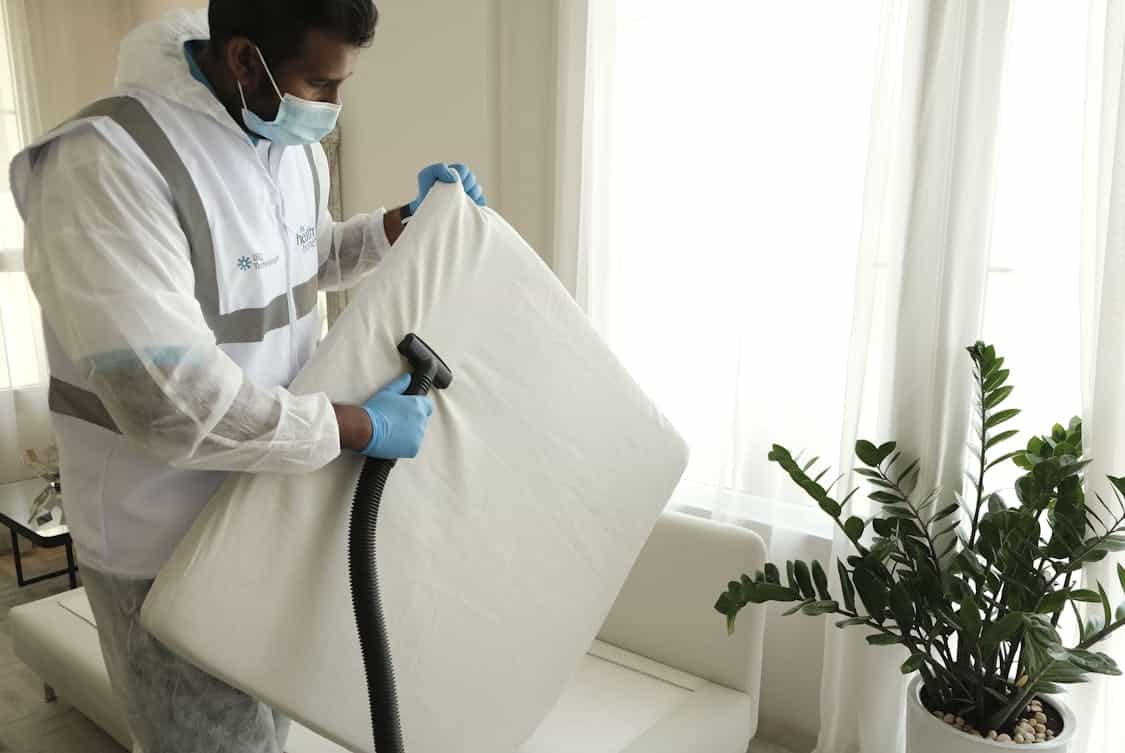
Speed matters when pests show up at home or work; quick action reduces damage and stress and gets life back on track. This article outlines practical, professional tactics that deliver rapid knockdown of infestations while keeping long-term control in view.
Rapid inspection and assessment
A focused walk-through is the first move: note entry points, food and water sources, and active signs like droppings, chewed materials, or live insects. Observations are often made with basic tools—flashlight, mirror, moisture meter—and recorded so the treatment plan aligns with what was found.
Prioritise hot spots where activity is highest; this lets technicians hit the problem fast rather than spraying everywhere. A short risk assessment will flag health concerns, vulnerable residents, and proximity to food-handling zones, which shapes method selection.
If you need immediate help identifying and resolving infestations efficiently, getting in touch with local experts for pest problems can save valuable time and ensure the right action from the start.
Targeted exclusion and sealing
Sealing gaps and cracks cuts off pest traffic at the source and prevents re-infestation after chemical work is done. Use caulk, steel wool, door sweeps and mesh at vents to block rodents, ants and other invaders at typical entry points.
Perimeter work is often paired with internal sealing around pipes and baseboards to slow pest return. That combination—outside plus inside—gives a one-two punch that makes follow-up treatments less urgent.
Fast-acting baits and bait stations
Baits remain a top choice because they lure pests to a toxicant with a delayed action that lets the active worker share the dose with nestmates. For ants, cockroaches and rodents, bait stations placed in transit routes and near nests yield quick reductions in visible activity.
Choose formulations meant for immediate uptake and keep stations secure from children and pets. Rotating bait types over time helps if pests develop dislike or reduced feeding on a single product.
Contact insecticides and residuals
Contact sprays knock down adult insects on sight, while residual treatments leave a lasting film on surfaces that kills passing pests. Apply contact sprays to active infestations for instant relief and add targeted residuals in voids, under eaves, and along baseboards for continued protection.
Work with label directions and apply thin, even coats to avoid puddling or excessive residue. Mixing a quick-acting spray with a low-dose residual gives the short-term/long-term mix many techs favor.
Heat and cold treatments
Temperature extremes offer chemical-free options: raising an infested area’s temperature to lethal ranges will kill bed bugs and many insects at all life stages, and very cold exposure can suppress some storage pests. Professionals use heaters, fans and sensors to hold effective temps for the required time without harming structures or contents.
For some infestations, cryogenic sprays or refrigerated units are practical, especially for delicate artifacts or food stocks. These methods are time-bound and often work fast when logistics permit.
Trapping and monitoring
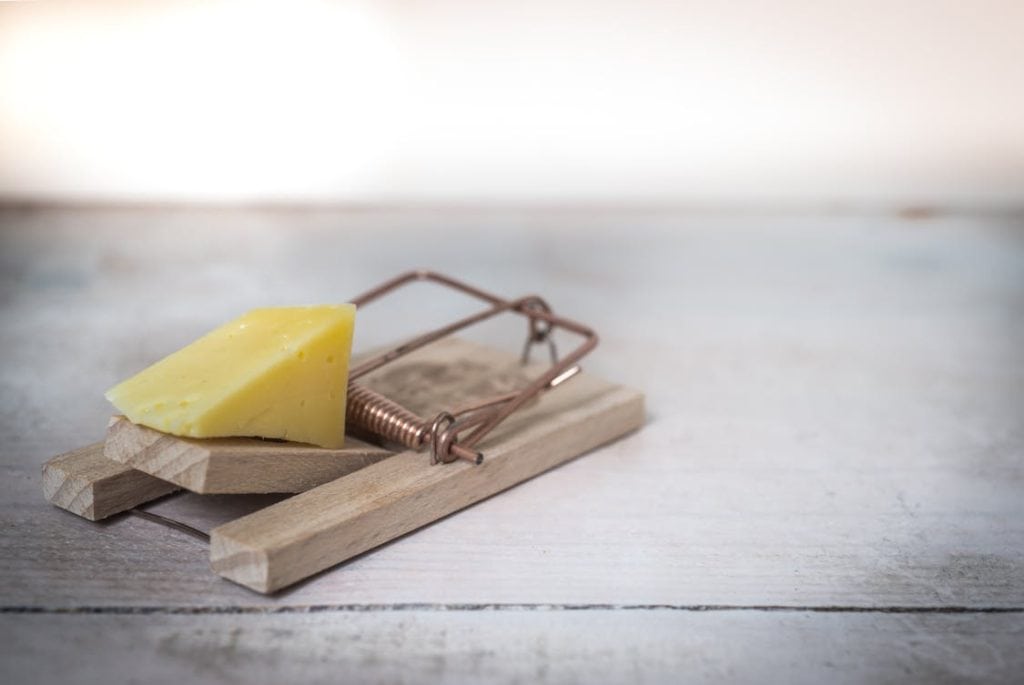
Traps give immediate feedback and reduce numbers for pests like rodents, flies and larger crawling insects. Snap traps and glue boards capture individuals quickly, while pheromone traps reveal activity levels and species present.
Monitoring also helps decide if a fast control was successful or if follow-up steps are needed. Data from traps guide technicians on where and when to re-treat, making management both reactive and strategic.
Integrated Pest Management (IPM) strategies
IPM blends non-chemical and chemical tactics into a plan that targets cause, not just symptom, which speeds long-term resolution. Start with habitat change and exclusion, add baits and spots of insecticide when necessary, and keep records of what works and what does not.
This layered approach reduces heavy reliance on any single tool and keeps resistance low. It’s a case of using the right tool at the right time, which often means faster, more durable outcomes.
Sanitation and habitat modification
A clean site is less attractive to pests; removing food debris, storing goods in sealed containers and fixing leaks change the place from a feeding ground into a poor host. These actions cut reproduction and recruitment, so subsequent treatments are more effective and quicker.
Storage rotation, removing clutter and clearing vegetation away from foundations are simple moves that speed control by shrinking pest-friendly pockets. Often, a small bit of elbow grease yields large returns.
Safe chemical selection and personal protective equipment
Choosing a product with the correct active ingredient and label use is central to moving quickly while staying safe. Match the chemistry to the target pest and the site—some act on contact, others on ingestion, and some disrupt growth stages for delayed collapse of populations.
Operators should use gloves, respirators and eye protection when handling concentrated materials or making indoor applications. That care lowers exposure risks and keeps treatments on schedule without causing secondary problems.
Follow-up, documentation and communication
A quick fix is only meaningful if activity stays down; scheduled checks after the initial intervention confirm effectiveness and catch rebounds. Document what was done, where it was applied, and any bait or trap counts so future work is informed and time-efficient.
Clear communication with occupants helps maintain control measures—simple directions about food storage, trash handling or how to handle a treated area can make the difference between a slip back and sustained success. A stitch in time saves nine, and in pest work that proverb rings true.
